
Blog
Working Dog Breeds: Temperament, Strengths, and Training Tips
Feb
Working dogs are much more than just pets – they are partners, helpers, and in many cases, professionals in their own right.
From herding sheep in the countryside to assisting those with disabilities, working dogs rely on their unique traits and intelligence to perform specialised tasks. Understanding a breed’s temperament, strengths, and training needs isn’t just useful – it’s essential for keeping them happy, healthy, and motivated.
Whether you’re a seasoned handler, a dog owner considering a working breed, or simply fascinated by these remarkable animals, knowing what makes each breed tick is the first step toward successful training and care.
In this guide, we’ll explore some of the most popular working dog breeds in the UK, highlight their characteristics, and provide practical advice to support peak performance and wellbeing.
What makes a dog a working dog?
The term “working dog” covers any dog trained to perform a specific task, whether professionally or recreationally.
These tasks can include herding livestock, guarding property, assisting people with disabilities, detection work for police, search and rescue, and even sporting roles like retrieving in the field.
Working dogs aren’t defined solely by their breed – their temperament, energy levels, and intelligence are just as important. These dogs usually display high levels of drive, focus, and problem-solving ability.
Unlike typical pet dogs, working breeds often need mental stimulation and structured exercise to prevent boredom and maintain wellbeing. Understanding what your dog naturally excels at ensures you can channel their energy in a positive way and avoid behavioural issues.
Popular UK working dog breeds and their traits
Border Collie
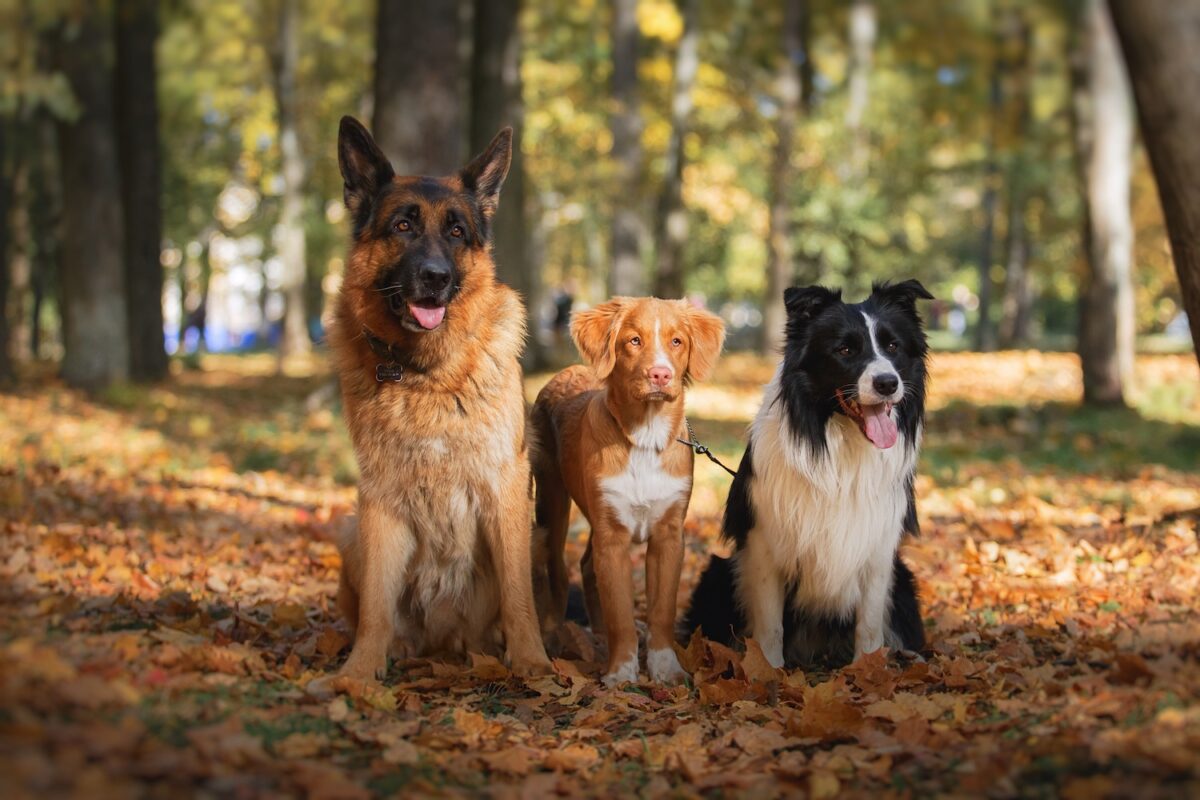
Known for their extraordinary intelligence and agility, Border Collies are the quintessential herding dogs. They thrive on mental stimulation and challenging tasks. Without regular work or activity, they can become restless or anxious. Owners should provide structured training sessions, puzzle toys, and plenty of physical exercise to keep them engaged.
German Shepherd
German Shepherds are one of the most versatile breeds, widely used in police, security, and search roles. Loyal and protective, they respond well to consistent training and clear boundaries. While highly trainable, they require regular mental and physical challenges to maintain focus and confidence.
Labrador Retriever
Labradors are familiar faces as assistance dogs, search and rescue partners, and detection dogs. They are friendly, adaptable, and eager to please, making them highly trainable. To maintain their health and drive, they need daily exercise and mental engagement, such as scent games or training drills.
Golden Retriever
Golden Retrievers are commonly used as assistance and therapy dogs due to their loyal, gentle, and social nature. They respond exceptionally well to positive reinforcement and structured routines. Despite their friendly temperament, they need daily mental and physical exercise to stay motivated and healthy.
Springer Spaniel
Popular in hunting and fieldwork, Springer Spaniels excel at flushing and retrieving. They are energetic, sociable, and responsive to consistent routines. To avoid behavioural issues, they benefit from structured training, regular exercise, and mental stimulation.
Cocker Spaniel
Cocker Spaniels have a long history as working gun dogs in the UK. Intelligent and energetic, they thrive when given clear direction and tasks to perform. Sensitive by nature, they respond best to gentle, consistent training and require regular mental stimulation alongside physical activity.
Belgian Malinois
Often seen in police and security work, Belgian Malinois are highly driven and agile. Their intelligence and energy levels mean they require structured tasks and consistent training. Without sufficient work or stimulation, they can become frustrated, so they’re best suited to experienced handlers who can match their drive.
Tailoring training to breed
There is no “one-size-fits-all” approach to training working dogs. Each breed brings its own set of strengths and challenges, meaning handlers must adapt their methods.
High-drive breeds like Border Collies or Belgian Malinois excel when given structured tasks, problem-solving exercises, and regular, vigorous exercise. Sensitive breeds such as Cockers or Goldens respond best to positive reinforcement, patience, and consistency.
Setting realistic expectations based on breed-specific energy levels and temperament is key to preventing frustration for both dog and handler.
Training should also focus on balance – mixing physical exercise with mental stimulation, and rewarding progress to keep your dog engaged and motivated. Even highly intelligent breeds need guidance on managing focus, energy, and impulse control.
Supporting peak performance and wellbeing
A working dog’s wellbeing goes beyond training. Routine, enrichment, and proper rest are just as important as learning commands or practising tasks.
Signs of stress, boredom, or fatigue can include destructive behaviour, anxiety, or a loss of motivation. Handlers should provide:
- Consistent routines: Set daily exercise, training, and rest times.
- Mental stimulation: Puzzle toys, scent games, and varied exercises.
- Physical exercise: Walks, runs, agility, or breed-specific tasks.
- Socialisation: Controlled interaction with other dogs and people to maintain confidence.
- Health checks: Regular vet care to monitor fitness and detect early signs of strain or injury.
- Nutrition: A balanced, complete diet is key to keeping working dogs energised, alert, and in peak condition.
Premium options, such as Squires & Beaumont’s Field Dog & Game range, are formulated specifically for active working breeds, providing the right mix of protein, fats, and nutrients to support stamina, recovery, and overall health.
By recognising and adapting to a breed’s natural strengths and needs, including proper nutrition, handlers ensure that working dogs perform at their best while enjoying a fulfilling, happy life.
Conclusion
Understanding the temperament, strengths, and training needs of working dog breeds is essential for anyone owning or handling one. Each breed excels in different tasks, and their natural traits must guide the way we train, care for, and challenge them.
By observing your dog, adapting routines, and providing both mental and physical stimulation, you can foster a partnership built on trust, motivation, and success.
With the right approach, working dogs can thrive in their roles while living balanced, happy lives.
